Exploring the historical evolution of casinos from ancient games to modern gambling
The Origins of Gambling: Ancient Civilizations
The history of gambling dates back thousands of years, with evidence tracing its roots to ancient civilizations such as the Chinese, Egyptians, and Romans. Archaeological finds reveal that as early as 2300 BCE, Chinese rulers used rudimentary forms of gambling for divination and decision-making. Similarly, in ancient Egypt, games of chance were often played, with dice made from bones or wood found in tombs, indicating their cultural significance. These early games not only served as entertainment but also reflected societal beliefs and practices. Today, platforms like the Senseizino website show how far this pastime has evolved.

The Romans also embraced gambling, particularly through the use of dice games, which were popular among soldiers and citizens alike. The Roman Empire saw the establishment of various betting games that later influenced medieval Europe. Their fascination with chance was often linked to larger social events, such as gladiatorial contests, where betting was commonplace. The transition from informal gambling to structured games marked a significant step in the evolution of gambling culture.
As these ancient societies grew, so did the complexity of their games, leading to the creation of more organized forms of gambling. This shift demonstrated the human attraction to risk and reward and laid the groundwork for the formal establishments that would emerge in the centuries to follow. The influence of ancient gambling practices continues to be felt in modern casinos, where many foundational games originated from these early forms of entertainment.
The Middle Ages to the Renaissance: The Birth of Casinos
The Middle Ages witnessed significant changes in gambling, particularly with the emergence of card games in Europe. These games became a favorite pastime among nobility, leading to the establishment of the first gambling houses in the 17th century. In Venice, the Ridotto was one of the first public gaming houses, catering to the elite and providing a controlled environment for gambling. This marked a turning point, as gambling began to transition from private gatherings to public establishments.
The Renaissance further enriched the gambling landscape, introducing a variety of games that incorporated elements of chance and strategy. The invention of the printing press facilitated the spread of rules and strategies for these games, making them more accessible. As gambling gained popularity, it became entwined with social gatherings and events, often viewed as a legitimate leisure activity among the upper classes.
This period also saw the establishment of gambling laws and regulations, reflecting society’s growing concern over gambling’s social implications. While some viewed it as a vice, others recognized its economic potential, leading to a more structured approach to gambling establishments. This duality laid the foundation for modern casinos, where regulation and luxury combined to create an appealing environment for patrons.
The 19th Century: The Rise of Modern Gambling Houses
The 19th century marked a significant milestone in the evolution of casinos, particularly with the emergence of the first modern casinos. In 1863, the Monte Carlo Casino opened its doors, setting new standards in luxury and gaming options. It became a symbol of sophistication, attracting wealthy patrons from across Europe. This era also saw the introduction of popular games such as roulette and baccarat, which became staples in casinos worldwide.
During this time, gambling became increasingly popular in the United States, especially during the Gold Rush. Establishments in places like New Orleans and later Las Vegas catered to the growing demand for gambling. The introduction of slot machines in the late 1800s revolutionized the industry, making gambling accessible to a broader audience. These mechanical devices transformed the casino landscape, providing an easy and entertaining way to engage in games of chance.
As casinos evolved, they began to emphasize customer experience, offering not just gaming but dining and entertainment options. This shift towards a holistic approach marked a new era in gambling, where casinos became synonymous with luxury and indulgence. The blending of gaming and entertainment laid the groundwork for the sprawling casino resorts we know today, emphasizing that gambling is as much about the experience as it is about winning.
The 20th Century: Regulation and Globalization
The 20th century ushered in an era of regulation and globalization for the gambling industry. In the aftermath of World War II, many countries began to recognize the potential revenue generated from legalized gambling. This led to the establishment of regulatory frameworks designed to promote responsible gaming and protect consumers. The legalization of casinos in places like Atlantic City in 1976 and later Las Vegas set the stage for a burgeoning industry.
Technological advancements also played a crucial role during this period, particularly with the introduction of computerized gaming systems. Casinos began to implement sophisticated tracking systems for players, enhancing security and improving customer service. This technological revolution allowed for more efficient operations and contributed to the expansion of gambling options, including online gaming platforms that emerged in the late 1990s.
Moreover, the global proliferation of casinos reflected changing social attitudes towards gambling, with many countries embracing it as a form of entertainment. This shift not only transformed local economies but also contributed to the rise of international gambling tourism. The expansion of casino culture across the globe illustrated how gambling evolved from its ancient roots to become a significant aspect of modern society.
Modern Gambling: The Online Revolution and Its Implications
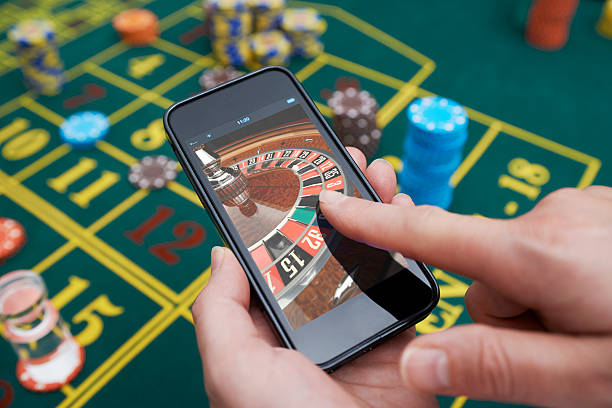
Today, the gambling landscape has been reshaped dramatically by the advent of online casinos, which offer unparalleled accessibility and variety. Players can now engage in a plethora of games from the comfort of their homes, a convenience that has revolutionized how gambling is perceived and practiced. The rise of smartphones and mobile applications has further enhanced this trend, allowing users to gamble anytime, anywhere.
While online gambling provides exciting opportunities, it also raises important questions regarding regulation and responsible gaming. Concerns about addiction and the safety of players have prompted governments to implement stringent regulations to protect consumers. As the online gambling industry continues to expand, finding a balance between growth and ethical considerations remains a pressing challenge.
Websites like Senseizino exemplify the modern casino experience, providing a secure and engaging environment for players. With a vast selection of games, attractive bonuses, and a commitment to data protection, online platforms are redefining the gambling experience. As the industry continues to evolve, understanding its historical context enriches our appreciation for the complexities of modern gambling.