Understanding Syria Sanctions: Guidance and Compliance
The situation in Syria has remained complex and fraught with challenges, leading to the implementation of various international sanctions. These measures aim to address humanitarian concerns, promote peace, and ensure compliance with international laws. It is crucial for individuals and entities engaged in trade or any form of interaction with Syria to be aware of the sanctions in place and the necessary compliance requirements. For detailed information, refer to this guidance on Syria sanctions.
Understanding the Background of Syria Sanctions
The conflict in Syria, which began in 2011, has resulted in massive humanitarian crises and widespread violations of human rights. In response, numerous countries and international organizations, including the United States, the European Union, and the United Nations, have enacted sanctions targeting the Syrian government and its affiliates. These sanctions can affect various sectors, including finance, trade, and humanitarian aid, making a clear understanding of the rules and regulations essential for compliance.
Key Sanctions Imposed on Syria
The sanctions against Syria primarily focus on several core areas:
- Asset Freezes: Assets owned by designated individuals and entities are frozen in countries that impose sanctions. This prevents these individuals from accessing their finances.
- Trade Restrictions: Various products, including oil, certain technologies, and dual-use goods, are subject to restrictions. Exports and imports related to these goods require special licenses.
- Travel Bans: Individuals involved in the Syrian regime may be restricted from travel to the sanctioning countries, impacting their ability to conduct business or engage in diplomatic efforts.
- Financial Restrictions: Financial institutions and banks may be prohibited from conducting transactions with Syrian banks or entities linked to the regime.
Compliance Challenges and Risks
Navigating the landscape of Syria sanctions can be challenging. Organizations and individuals must stay informed about changes in laws and regulations, as sanctions are frequently updated or modified. Non-compliance can lead to serious penalties, including heavy fines and reputational damage. Furthermore, the complexities of individual jurisdictions mean that what may be permissible in one region could be illegal in another, highlighting the need for robust compliance mechanisms.

Best Practices for Sanctions Compliance
To ensure compliance with Syria sanctions, consider the following best practices:
- Conduct Regular Training: Regularly train staff on the implications of Syria sanctions and the procedures for compliance. Awareness is crucial for minimizing risks.
- Implement Strong Due Diligence Processes: Establish thorough due diligence processes when engaging with new partners or clients to ensure they are not on sanction lists.
- Monitor Changes in Sanctions: Keep abreast of updates in international sanctions regimes to remain compliant with any changes or new listings.
- Seek Legal Advice: Consult with legal professionals who specialize in sanctions and trade regulations for tailored advice and risk assessments.
The Role of Humanitarian Aid
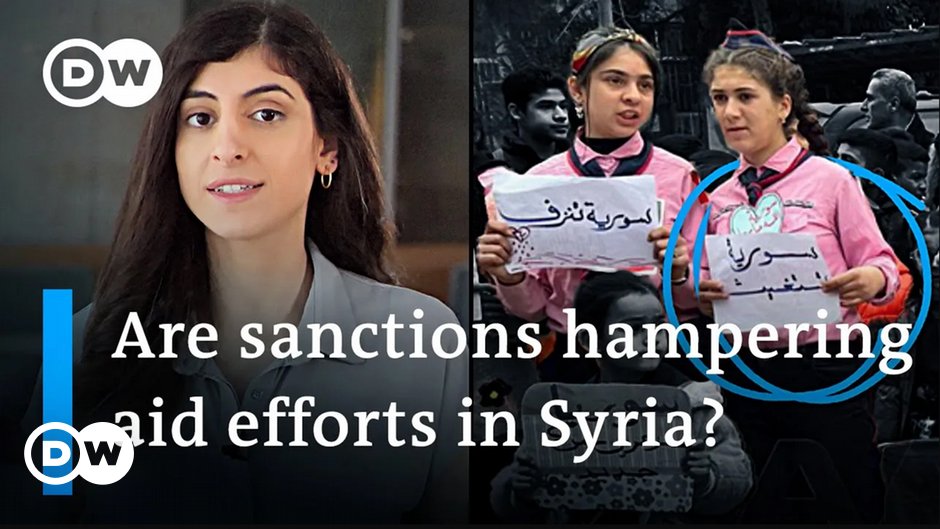
While sanctions aim to exert pressure on the Assad regime, they can also complicate the delivery of humanitarian aid. Organizations providing aid must navigate these regulations carefully to avoid inadvertently violating sanctions. Some exemptions exist for humanitarian assistance; however, thorough documentation and reporting are often required to demonstrate compliance. Thus, aid organizations must ensure they understand both the sanctions’ legal framework and the humanitarian needs on the ground.
Conclusion
Understanding Syria sanctions is essential for anyone involved in trade, financial services, or humanitarian work connected to the region. The consequences of non-compliance can be severe, and staying informed about the evolving landscape of sanctions is paramount. Organizations must prioritize compliance and implement robust procedures to mitigate risks. By doing so, they can contribute to their missions while respecting international laws and ethical standards.
In conclusion, as the situation in Syria evolves, so too will the sanctions regime. Awareness, diligence, and a proactive approach to compliance will not only protect your organization from potential legal ramifications but also contribute to broader efforts for peace and stability in the region.