In the landscape of modern entertainment, the gambling industry has undergone a significant transformation, particularly with the advent of online gambling. While many traditional casinos have embraced this digital shift, one might wonder: are there any casinos not offering online gambling? To better understand this question, we can examine the distinct characteristics of brick-and-mortar casinos compared to their online counterparts. Additionally, exploring the reasons behind the reluctance of some casinos to adopt online platforms sheds light on the intricate relationship between tradition and technology in the gambling world. For more insights on the gambling industry, visit are there any casinos not on GamStop NCIMI.
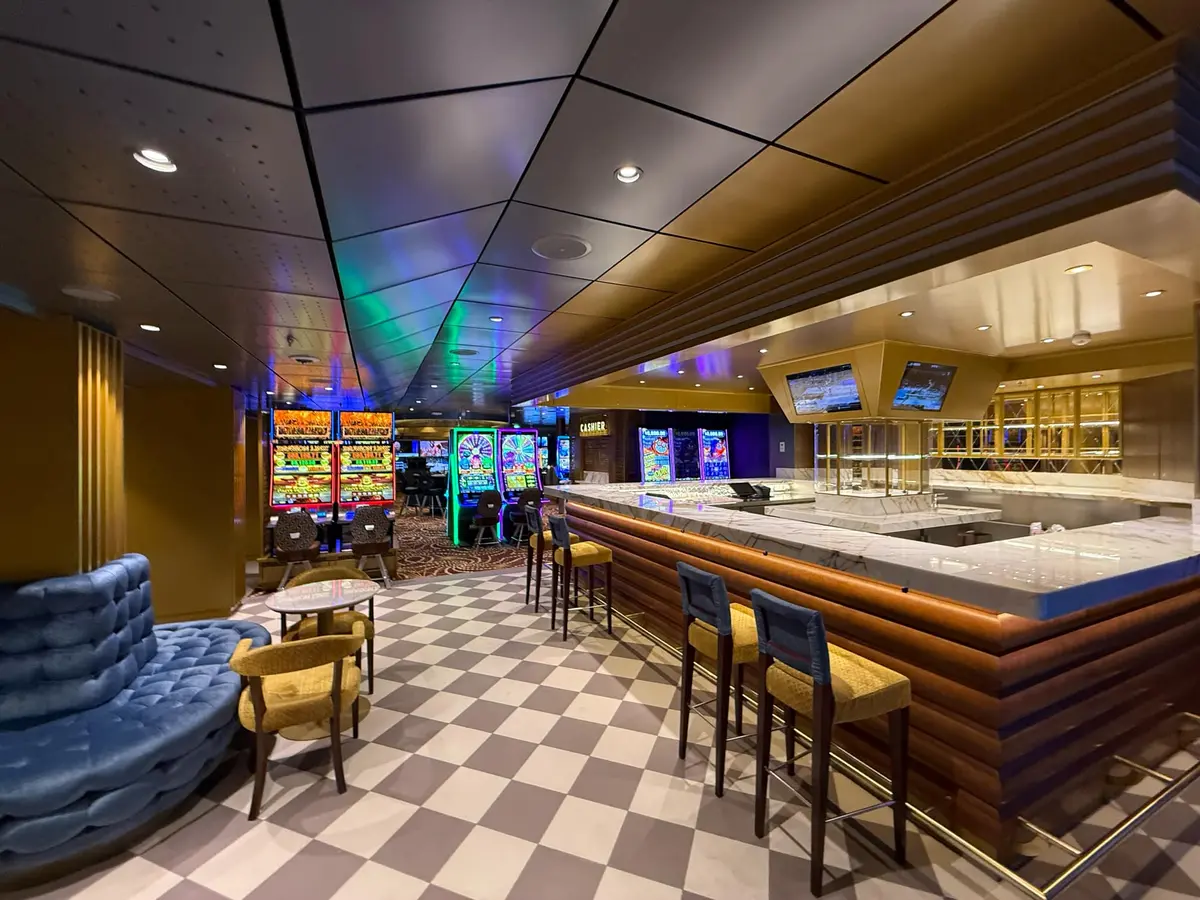
First, let’s delve into the world of traditional casinos. These establishments have been around for centuries, serving as vibrant hubs of social interaction and entertainment. Typically housed in grand venues, brick-and-mortar casinos offer a range of gaming options, including slot machines, table games like poker and blackjack, and often unique experiences such as high-stakes rooms. The atmosphere of a physical casino is often electric, filled with the sounds of spinning wheels, cheering players, and the clinking of chips. This ambiance is difficult to replicate online, which may contribute to the hesitation of some casino operators to fully embrace the digital age.
Despite the overwhelming popularity of online gambling, there are indeed casinos that do not offer online gambling options. These casinos often prioritize the in-person experience, believing that the thrill of gambling is intrinsically tied to the physical presence of players and the social aspects of gaming. For these casinos, the focus is on providing an all-encompassing entertainment experience that goes beyond mere gaming. Many of these establishments feature live performances, fine dining options, and lavish hotel accommodations, creating a complete getaway for their patrons.
There are several reasons why some traditional casinos might opt against launching online gambling platforms. First and foremost is the regulatory environment. Depending on the region or country, the laws governing online gambling can be complex and restrictive. Some casinos may not have the resources or desire to navigate the intricate web of legal requirements associated with operating an online platform. Compliance with licensing, taxation, and consumer protection laws can pose significant challenges that deter traditional casinos from entering the online market.
Additionally, the cost of establishing and maintaining an online gambling platform can be prohibitive. From developing a user-friendly website to ensuring cybersecurity, the financial investment required is substantial. For some casinos, especially smaller ones, these costs may outweigh the potential benefits of going digital. Instead, they focus on enhancing their physical locations to offer exclusive experiences that cannot be replicated online.
Moreover, some casino operators may fear that an online presence could undermine their primary business model. They might worry that if customers can enjoy the thrill of gambling from the comfort of their homes, they will be less inclined to visit physical casinos. This concern is valid, as the ease and convenience of online gambling have indeed reshaped consumer behavior. However, interestingly, some casinos have found a way to coexist by complementing their physical offerings with online platforms while maintaining a separate identity for each.
Despite these challenges, many traditional casinos are beginning to recognize the potential benefits of having an online presence. The pandemic has accelerated the shift towards digital platforms, forcing many casinos to either adapt or risk being left behind. Numerous brick-and-mortar casinos that previously resisted the idea of online gambling took this opportunity to develop their digital strategies. They’ve realized that, by embracing technology, they can reach a wider audience and diversify their revenue streams without losing the essence of what makes their in-person offerings special.
In addition, some casinos offer hybrid models, providing a curated online gambling experience that mirrors their brick-and-mortar locations. For instance, they might offer live dealer games streamed directly from their casino floors, allowing players to engage with professional dealers in real-time while still enjoying the comforts of online gaming. This approach helps bridge the gap between the traditional casino experience and the convenience of online gambling.

Conclusively, while there are certainly casinos that do not offer online gaming, the continued evolution of the gambling industry suggests that the future may look quite different. Many traditional casinos are expanding their horizons, integrating online platforms into their business models to stay competitive. However, the allure of traditional casinos—complete with their vibrant atmospheres, high-energy environments, and social interactions—may always hold a unique space in the hearts of gambling enthusiasts. As technological advancements continue to shape the landscape of entertainment, the gambling industry must find a balance between preserving its rich traditions and embracing the opportunities presented by digital innovations.
To summarize, while the digital realm of online gambling continues to flourish, the existence of casinos that do not offer online gambling exemplifies a world that prizes tradition, personal interaction, and the tactile thrill of the game. As more consumers seek convenience, these casinos will need to tread carefully, conserving the core of their business while possibly adapting to the digital-first age.